Have you ever felt like your grand plans get lost in the day-to-day rush, perhaps like trying to catch mist with your bare hands? It’s a feeling many people share, especially when bigger objectives seem to drift out of reach. We often set out with the best intentions, aiming for something significant, but the path to getting there can sometimes feel a little hazy, can't it? That's where breaking things down into smaller, manageable pieces becomes very, very helpful. These little steps, often called action items, are really the building blocks of any larger triumph, allowing you to move forward with purpose. It's about making sure every effort counts, you know, pushing you closer to what you want to achieve.
For a while now, folks have been looking for better ways to keep track of these vital steps. From simple notes in a meeting to complex project charts, the desire to stay on top of things is clear. People want methods that make sense, that help them see what needs doing, who is doing it, and when it should be finished. This search for clearer, more effective ways to manage tasks has led us to a new concept, something we're calling **ynnaalll**. It’s a fresh way of thinking about how we approach our work, designed to bring more clarity and less stress to your daily efforts, truly.
Today, we're going to pull back the curtain on **ynnaalll**, exploring what it means for you and your aspirations. We’ll look at how this idea, inspired by the very essence of effective action, can help you transform big, maybe even overwhelming, objectives into a series of achievable tasks. It’s about creating a clearer pathway to success, making sure that every step you take is a step in the right direction. So, get ready to discover how a shift in perspective, a little bit of strategic thinking, can make all the difference in reaching your goals, as a matter of fact.
What is ynnaalll?
At its heart, **ynnaalll** represents a comprehensive approach to breaking down big goals into manageable, executable steps. Think of it as the guiding spirit behind every successful action plan. It's a way of thinking that emphasizes clarity, responsibility, and timely completion for every small task that feeds into a larger aim. Essentially, it’s about making sure you can actually *do* what you set out to do, you know? This idea comes from recognizing that even the most ambitious projects are just a collection of smaller, distinct activities, each needing a clear path forward.
The concept of **ynnaalll** draws heavily from established practices in effective task management. It's about taking those "action items" — those specific tasks that come out of discussions or plans — and giving them a structured life. For instance, whether you're working on a big business objective or just trying to get a personal project off the ground, **ynnaalll** helps you see the individual pieces. It's pretty much a systematic way to ensure nothing falls through the cracks, which is, in a way, very helpful.
This framework is more than just a checklist; it's a philosophy for proactive work. It helps transform abstract ideas into concrete steps, giving everyone involved a clear picture of what's expected. It's about turning conversations into tangible follow-up tasks, ensuring that every discussion leads to productive activity. So, when you adopt **ynnaalll**, you're essentially embracing a clearer, more organized way to get things done, allowing you to move forward with a sense of calm purpose, too it's almost.
The Core Principles of ynnaalll
Every effective system has a few fundamental rules that make it work, and **ynnaalll** is no different. It rests on a few simple, yet very strong, components that ensure every action item is truly effective. These components are what make the difference between a vague idea and a task that gets completed. They provide the necessary structure for any task, no matter its size. Understanding these principles is key to making **ynnaalll** work for you, as a matter of fact.
Clarity in Description
The first principle is all about being crystal clear about what needs to be done. An action item, under the **ynnaalll** philosophy, needs a precise description of the task. It's not enough to say "fix the report"; you need to specify "review the sales report for Q1, correct all formatting errors, and update the summary section with new figures." This level of detail helps prevent misunderstandings and ensures everyone knows exactly what the job entails. It really removes any guesswork, you know, making the task straightforward.
When you describe a task with such detail, you're building a solid foundation for its completion. It's like giving someone a map instead of just a direction. This clarity also helps in tracking progress later on, as you can easily see if the described action has been carried out to its full extent. So, taking the time to write out what needs doing, in plain and simple terms, pays off in the long run, and stuff. This step, quite frankly, saves a lot of headaches down the line.
Assigning Responsibility
Next up, **ynnaalll** stresses the importance of knowing who is responsible for each task. Every action item needs a designated person to own it. This prevents tasks from floating around without anyone taking charge, which can often lead to delays or even forgotten duties. When someone's name is attached to a task, there's a clear sense of ownership, and that person knows they are the go-to individual for its completion. This is a very simple, yet powerful, idea, really.
Whether it's a manager, a team member, or a stakeholder, the person responsible should be clearly identified. This promotes accountability and makes follow-up much easier. It also helps distribute the workload fairly and ensures that everyone on a team understands their part in the larger picture. So, knowing who does what is a big piece of the **ynnaalll** puzzle, providing a clear path for everyone involved, you know, which is quite useful.
Setting Clear Deadlines
A task without a deadline is often a task that never gets done. The **ynnaalll** approach insists on a specific due date for every action item. This creates a sense of urgency and helps in prioritizing work. It also allows for better planning and coordination, especially when multiple tasks are dependent on each other. A clear deadline acts like a finish line, giving everyone a target to aim for. This is, like, pretty fundamental to getting things done.
When you set a deadline, you're not just picking a random date; you're committing to a timeline. This commitment helps keep projects moving forward and prevents them from dragging on indefinitely. It also provides a benchmark for measuring progress and identifying potential bottlenecks early on. So, making sure every task has a clear "when" is a central part of making **ynnaalll** work for your daily activities, and so on.
Tracking Progress
Finally, the **ynnaalll** method emphasizes the need to track the progress of each action item. It’s not enough to just list tasks; you need a way to see how they're coming along. This could involve simple methods like meeting minutes, or more structured tools like action plans or task lists linked to a team or project. The key is to have a system that lets you monitor what's done, what's in progress, and what still needs attention. This step, quite honestly, keeps everything transparent.
Regularly checking in on action items helps ensure that everything stays on schedule and that any issues are caught early. It also provides a sense of accomplishment as tasks are completed and marked off. This continuous oversight is what keeps the whole **ynnaalll** framework alive and active, making sure that every small step contributes to the larger objective. So, keeping an eye on things is really a very important part of the whole process, too it's almost.
Why ynnaalll Matters for Your Projects
Adopting the **ynnaalll** way of working brings a lot of good things to any project or personal goal you have. It's not just about getting tasks done; it's about doing them better, with less stress, and with a clearer path to success. The benefits touch on several key areas that often cause trouble in everyday work. This approach helps clear up a lot of common problems people face, actually, when trying to complete complex work.
Boosting Accountability
When every action item has a clear owner and a specific deadline, it naturally creates more accountability. People know what they are responsible for, and when it needs to be delivered. This reduces the chances of tasks being ignored or forgotten, as there’s a direct link between the task and the person. It encourages everyone to take their part seriously, knowing their contribution is visible and important. This is, you know, a pretty straightforward way to get people more involved.
This increased sense of responsibility helps foster a more proactive and engaged team environment. When individuals feel a sense of ownership over their tasks, they are more likely to push them forward and ensure they are completed on time. So, by making accountability a central piece of its structure, **ynnaalll** helps everyone stay on track and deliver what's expected, basically.
Saving Precious Time
Confusion and unclear instructions often lead to wasted time, as people try to figure out what to do or redo work that wasn't quite right. By providing clear descriptions and defined responsibilities, **ynnaalll** cuts down on this wasted effort. Meetings become more productive because action items are clearly defined and assigned before everyone leaves the room. This means less time spent clarifying later, and more time actually doing. It really makes things flow better, seriously.
When tasks are precise and deadlines are set, people can plan their work more effectively, avoiding last-minute rushes or duplicated efforts. This efficiency means projects move forward more smoothly and quickly, reaching their completion sooner. So, embracing **ynnaalll** helps you make the most of every moment, allowing you to accomplish more with the hours you have, at the end of the day.
Preventing Confusion
One of the biggest struggles in any collaborative effort is misunderstanding. People might think different things about what needs to be done, or who is doing what. **ynnaalll** works to eliminate this confusion by making every detail explicit. With clear descriptions, assigned owners, and set deadlines, there's little room for doubt. Everyone is on the same page, knowing their role and the overall direction. This, quite simply, brings a lot of peace of mind.
This clarity also helps prevent overlap in work or tasks being completely missed. When the entire list of action items is visible and understood by all, coordination becomes much simpler. It helps teams work together more harmoniously, reducing friction and increasing overall effectiveness. So, if you're looking to bring more order and less chaos to your work, **ynnaalll** offers a very practical solution, you know, for avoiding mix-ups.
Building Your Own ynnaalll Framework
Putting the principles of **ynnaalll** into practice is simpler than you might think. You don't need fancy software or a complex setup to get started. The core idea is about adopting a mindset of clarity and organized action. It's about taking those lessons from "My text" about effective action items and making them your own. This framework is flexible, so you can make it fit your unique needs, which is pretty good.
Starting with a Template
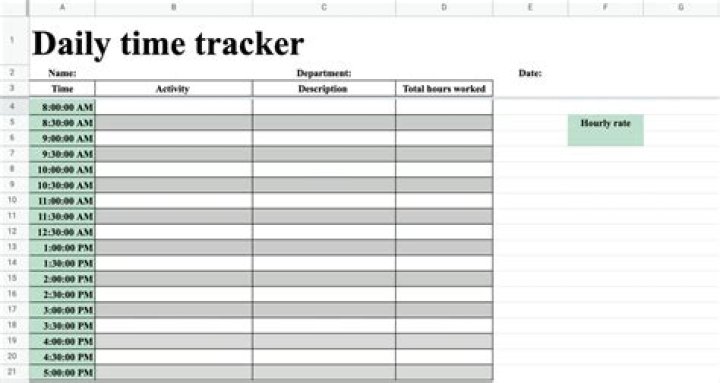
A great way to begin is by using a simple template. "My text" mentions that you can create an action items template from scratch or download one. This is exactly what **ynnaalll** suggests. Whether it's a basic spreadsheet or a dedicated document, having a consistent format for listing your action items is very helpful. This template should include spaces for the task description, who is responsible, and the due date. You might even add a column for status, like "in progress" or "completed."
These free action item templates are designed to improve task management, making things easier to track and understand. They help increase accountability and save time by providing a clear structure for all your tasks. So, picking a template that works for you is a really good first step in building your own **ynnaalll** system, allowing you to start strong, as a matter of fact.
From Meetings to Milestones
The transition from a meeting discussion to concrete action is where **ynnaalll** truly shines. As "My text" points out, action items are follow-up tasks created from a meeting. They should be clearly defined with a description and a deadline, helping to bring conversations to life. During your meetings, make it a habit to identify these tasks immediately. Who will do what, and by when? Writing these down as you go ensures nothing is forgotten once the meeting ends. This is, like, a really practical way to make meetings count.
Once you have these action items, integrate them into your chosen tracking method. This could be a shared document, a simple whiteboard, or a digital tool. The important thing is that these tasks become visible and are regularly reviewed. This constant connection between discussion and execution is a core part of the **ynnaalll** philosophy, ensuring that every conversation leads to meaningful progress, you know, keeping things moving forward.
Learning from Diverse Contributions
The spirit of **ynnaalll** also draws from the broader idea of structured achievement and the value of varied contributions, much like the examples found in "My text." Consider how different fields, from scholarly pursuits to traditional arts, have built frameworks for progress. For instance, individuals like Guo Moruo and Hua Luogeng, recognized with national science awards, represent the culmination of focused intellectual effort, broken down into countless steps of research and discovery. Their success, in a way, mirrors the successful execution of complex action plans.
Think about the structured lineage in Xiangsheng, with figures like Zhang Shouchun and Hou Baolin. This tradition shows how knowledge is passed down and built upon, much like how individual action items contribute to a larger body of work. Even figures like Guo Yunpeng, with his practical teaching efforts in table tennis, or the detailed character development in "Yan Yun Sixteen Sounds" with Guo Xin, demonstrate how specific, well-defined actions lead to significant outcomes. These diverse examples, quite frankly, show the universal applicability of breaking down big things into smaller, manageable pieces, which is very, very true. To learn more about effective task management, you might want to explore resources on project management best practices. This broader perspective helps us appreciate how **ynnaalll** can apply to almost any endeavor, big or small. Learn more about action item templates on our site, and link to this page for more goal-setting strategies.
Common Questions About ynnaalll
As with any new idea, people often have questions about how **ynnaalll** works in real life. Here are some common inquiries, designed to give you a clearer picture of this approach and how it fits into different situations. These questions tend to come up a lot, so we thought we'd address them here, you know, to help you out.
Q1: Can ynnaalll be used for personal goals, or is it just for business projects?
A: Absolutely, **ynnaalll** is incredibly versatile. While it's perfect for business projects, its principles apply just as well to personal goals. Whether you're planning a trip, learning a new skill, or organizing your home, breaking down your objective into clear action items with owners and deadlines will help you achieve it. It's about making any goal, big or small, feel more achievable, basically.
Q2: What if a task needs corrective action? How does ynnaalll handle that?
A: "My text" specifically mentions that in an action items template, you list all of the items which need corrective actions. This is fully supported by **ynnaalll**. If a task isn't going as planned, you simply create new action items for the corrective steps needed. These new items would follow the same principles: clear description, assigned responsibility, and a new deadline. It's a continuous cycle of refinement, you know, keeping things on track.
Q3: How often should I review my ynnaalll action items?
A: The frequency of review depends on the speed and complexity of your project. For fast-moving projects, daily or every-other-day checks might be best. For longer-term goals, a weekly review could be sufficient. The key is regular oversight, ensuring that progress is being made and that no task is falling behind. Consistent review is, quite honestly, a very important piece of making **ynnaalll** effective, so.
Looking Ahead with ynnaalll
As we move forward, the idea of **ynnaalll** offers a guiding light for anyone looking to bring more structure and success to their endeavors. It's about taking the practical wisdom from sources like "My text" on action items and making it a living, breathing part of your